
Dificultad superior
Guía del Red Rift
El Red Rift es el contrato más difícil, con enemigos más duros y misiones extra encima. El error habitual es entrar con la mentalidad de Endless.
¿Qué es el Red Rift en Guildrun?
Red Rift es el contrato difícil: enemigos más duros y misiones extra en los dos actos. La mayoría de las partidas se deciden en el acto 1, así que sobrevive y cumple las misiones antes de pensar en escalar. Funke, Irini, Kai y Rowan pueden llevar la partida ellos solos. Su clasificación va por temporadas, no se reinicia cada semana.
El cambio de enfoque
En Endless construyes algo que escala, porque el combate no termina nunca. En el Red Rift tu primera tarea es sobrevivir al acto 1 y completar las misiones. El escalado viene después.
La estructura que funciona es la sencilla: algo que aguante el frente, algo que haga daño y algo que mantenga a los demás con vida. Consigue las tres cosas antes de ponerte a improvisar.
El acto 1, la parte que decide la partida
Estos once puntos vienen de la General Red Rift guide de Toth201 en Steam, la única guía de la comunidad publicada hasta ahora para el juego. El planteamiento es suyo; los datos de los héroes son nuestros.
- Evita las reliquias iniciales que cuestan oro, salvo que tengas un héroe capaz de cargar solo con la partida
- Compra dos héroes pronto, con unos 30 Shards disponibles
- Renueva la tienda a menudo para mejorar tus opciones de conseguir un héroe de rango B
- Trata los objetos comunes como una hucha: poder temporal con el que no te comprometes
- Haz pronto las salas de desafío, mientras todavía se pueden ganar, para que no te estén esperando en el acto 2
- Pon tus objetos en el tanque
- Decide pronto la dirección del equipo, a partir de los héroes que te han ofrecido
- Asegúrate de que los que no son tanques sobreviven al daño en área
- Completa los segmentos ancla con criterio, primero las partes de Tank y Vanguard
- Compra las llaves al final del acto 1, cuando cuestan menos
- Sáltate una hoguera solo si no puedes subir de rango a un héroe ni reiniciar un estabilizador de Shards
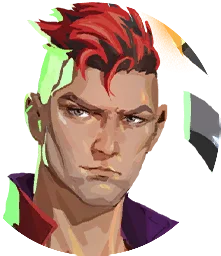
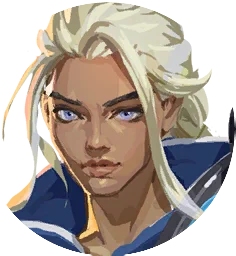
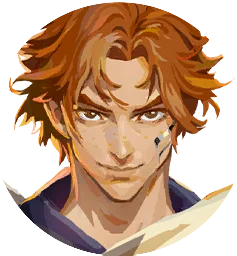
Héroes que pueden cargar solos
La guía nombra a cuatro. En estadísticas no tienen casi nada en común, y de eso se trata: es la especialización la que hace el trabajo, no la línea de estadísticas.
El acto 2 y los dragones
El acto 2 sirve para cerrar la composición, repartir los objetos y hacerse con reservas. La guía es tajante con la proporción: la mayoría de las partidas se ganan o se pierden en el acto 1, aunque una reliquia o un héroe con suerte todavía pueden rescatar una mala.
Sobre los dragones, la versión corta es que el Poison Dragon es el más fácil, y el Frost Dragon le va bien a un equipo ya construido en torno a efectos de Frost.
Clasificaciones y reinicios
Hay tres clasificaciones. Merged y SSS se reinician con el parche semanal, así que una puntuación dura una semana. Red Rift va en un ciclo mucho más largo y funciona más bien como una temporada.
El Hall of Fame histórico lo publican los desarrolladores en su Discord, no en una web.